
PSN Team
From High School to What’s Next
Leaving high school is not one single step. It is a series of decisions, experiences and adjustments that help a young person discover what works for them.
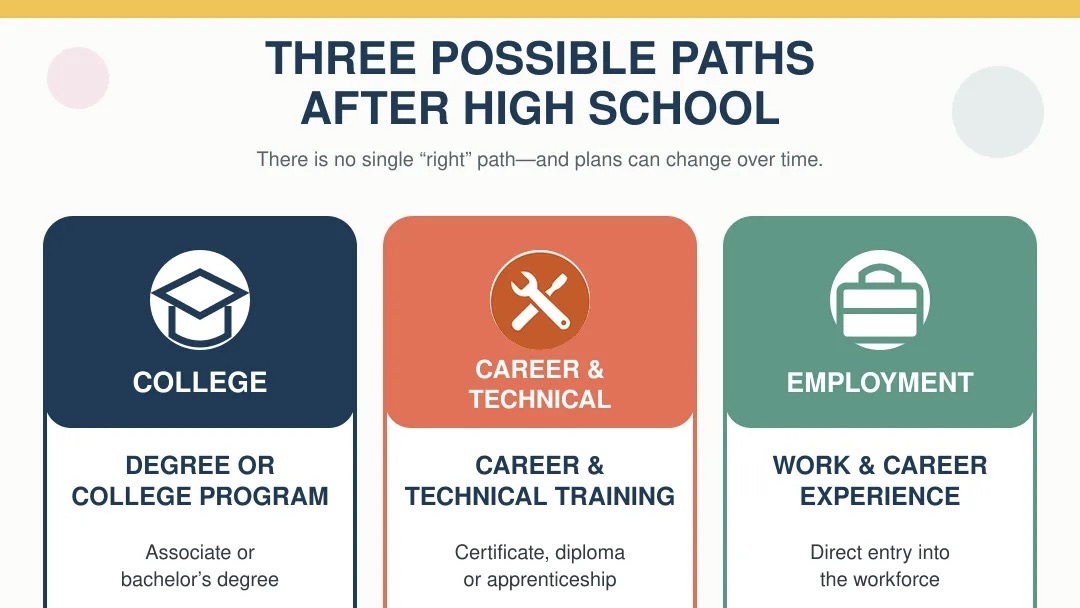
For students with disabilities, preparing for adult life may include college, job training, employment, community programs, independent living skills or a combination of several options. The best plan begins with the student—not simply with the services that happen to be available.
Start With the Young Person
Transition planning should reflect your child’s interests, strengths, needs and hopes for the future. Include them in conversations in whatever way works best for them.
They might speak during an IEP meeting, select from visual choices, visit possible programs or identify activities they enjoy. Even small opportunities to express a preference can strengthen decision-making and self-advocacy.
Try asking:
- What activities do you enjoy?
- What would you like to learn to do?
- What kind of help makes tasks easier?
- Where would you like to spend your day?
- What would you like more control over?
Not every student will have an immediate answer. Experiences often reveal preferences more clearly than questions do.
Turn Interests Into Experiences
An interest does not need to become a career immediately. It can become a starting point for exploration.
A student who enjoys animals might volunteer at a shelter, help care for a pet or explore jobs at a veterinary office. Someone who enjoys organizing may try stocking supplies, filing materials or preparing items for an activity.
Look for opportunities such as:
- Job shadowing
- Volunteering
- School-based work experiences
- Part-time employment
- Career and technical education
- Community classes
- College or training-program visits
After each experience, talk about what your child liked, disliked and might want to try next.
Practice Skills in Real Life
Transition skills are not limited to employment. Adult life may also require communication, transportation, money management, personal care and household responsibilities.
Choose useful skills your young person can practice regularly:
- Following a schedule
- Asking for help
- Preparing a simple meal
- Managing personal belongings
- Making a purchase
- Using transportation safely
- Completing part of a household task
- Explaining an accommodation or support need
A young person does not have to complete every task alone for the experience to build independence. Using reminders, visual instructions, technology or support from another person can still represent meaningful progress.
Connect School Plans With Adult Supports
School services do not automatically continue after graduation. Families may need to contact adult agencies, disability-service offices, vocational rehabilitation programs, benefit programs and community providers separately.
Ask the school transition team:
- Which agencies should we contact?
- Who is responsible for making each referral?
- Are there waiting lists?
- What records or evaluations should we keep?
- What services end when the student leaves school?
- What accommodations has the student learned to request?
Keep important documents together, including the current IEP, evaluations, identification, benefit information, medical records and a list of helpful accommodations.
Recent Comments