
You found it — the new home of the CdLS Centers for Excellence, where Mission Possible takes shape. Explore the centers, the people, and the work connecting families, clinicians, and researchers, and see how the system keeps growing.
CdLS FOUNDATION — MISSION POSSIBLE
Centers for
Excellence
The CdLS Foundation stands with families navigating Cornelia de Lange Syndrome — providing trusted guidance, growing a connected and engaged community, and bringing families together with clinicians and researchers to advance understanding, improve care, and make meaningful treatments possible.
Where lived experience and scientific discovery meet.
The Centers for Excellence are part of a growing network that connects families, clinicians, and researchers — ensuring that the work of understanding and improving care for Cornelia de Lange Syndrome (CdLS) is coordinated, collaborative, and grounded in what families live every day. These institutions have changed the landscape of what is known about CdLS — and what is becoming possible.
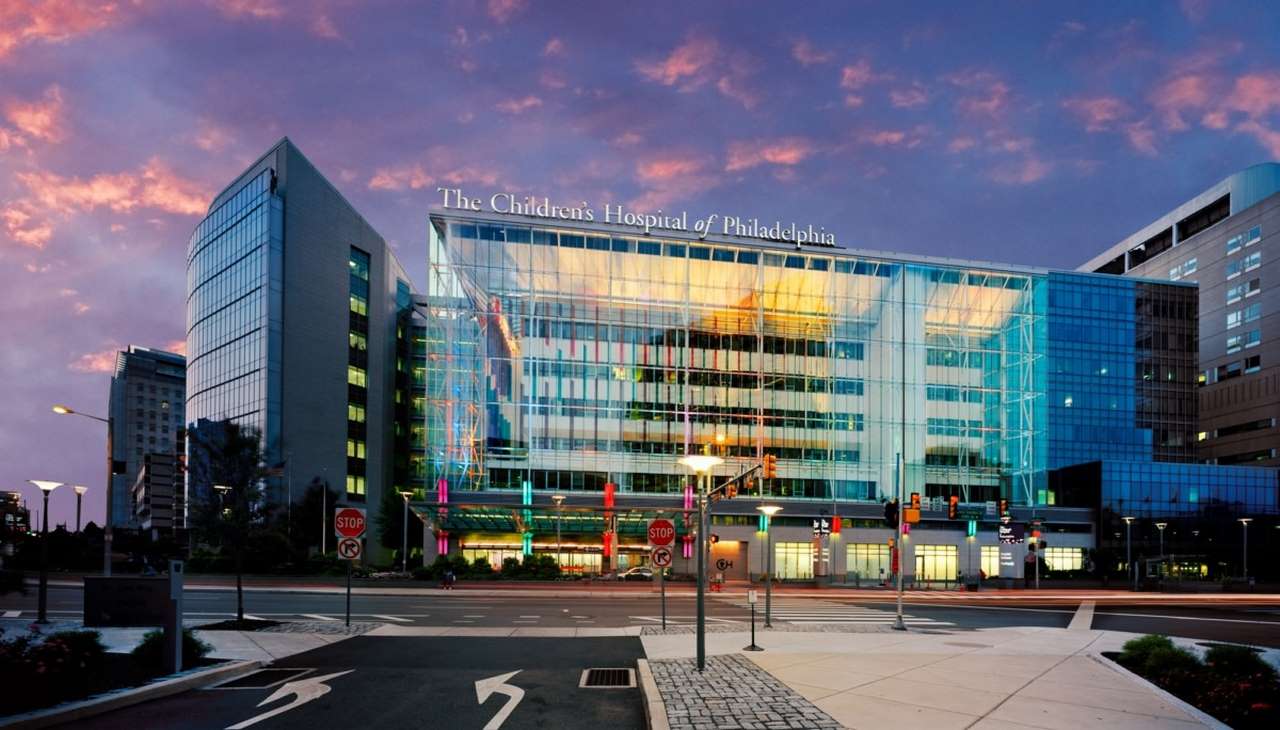
For families navigating a new or complex diagnosis of Cornelia de Lange Syndrome, CHOP is one of the places where trusted guidance and rigorous science come together. Research led by the CHOP team resulted in the identification of the first genes associated with the syndrome — NIPBL, SMC1A, and SMC3 — discoveries that made molecular diagnosis possible and opened pathways for research that continues to shape care worldwide.
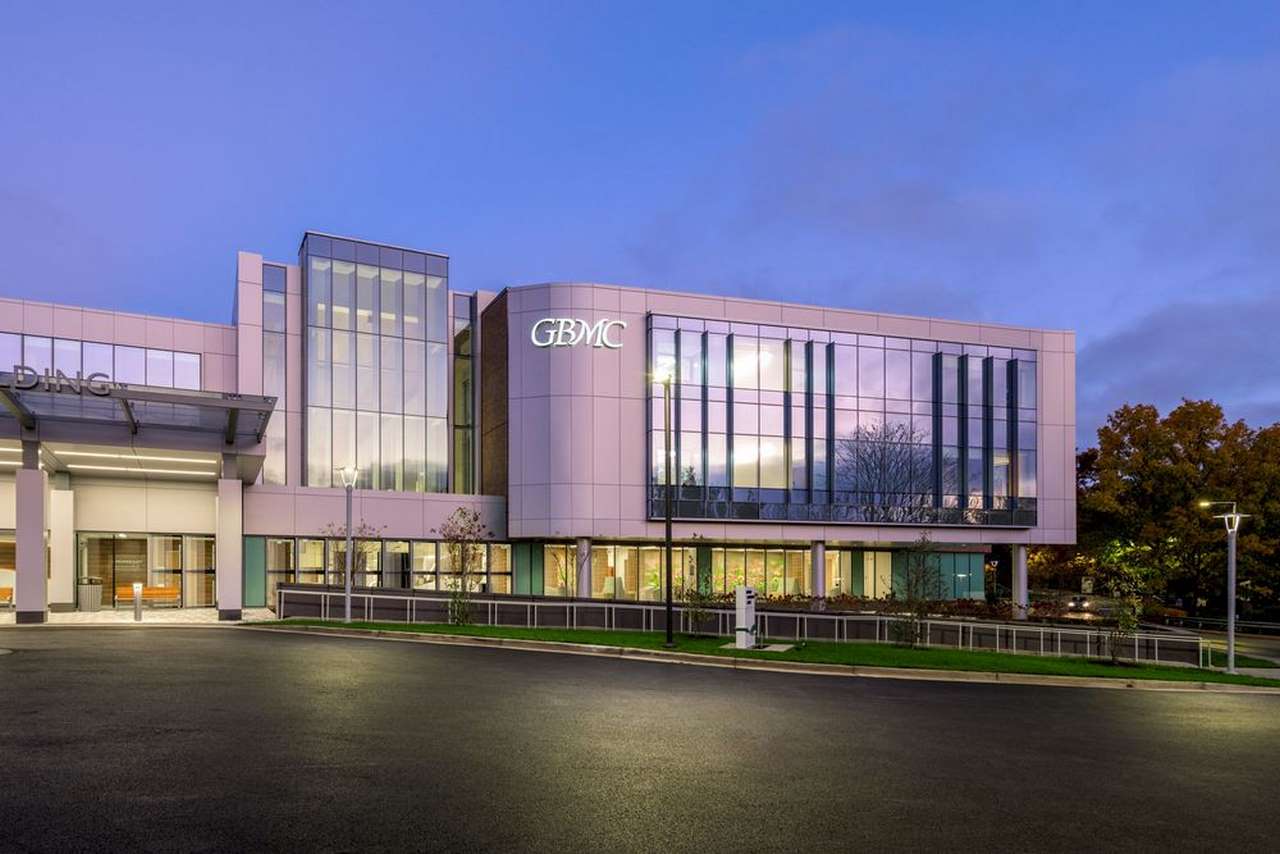
For many families, the hardest part of CdLS care is not only finding a specialist — it is finding someone who truly understands how CdLS changes across a lifetime. Dr. Antonie Kline established the CdLS clinic at GBMC in 2000 after recognizing a critical gap in care: children with rare developmental syndromes grow up, but the healthcare system is often not built to follow them. For more than two decades, GBMC has helped fill that gap.
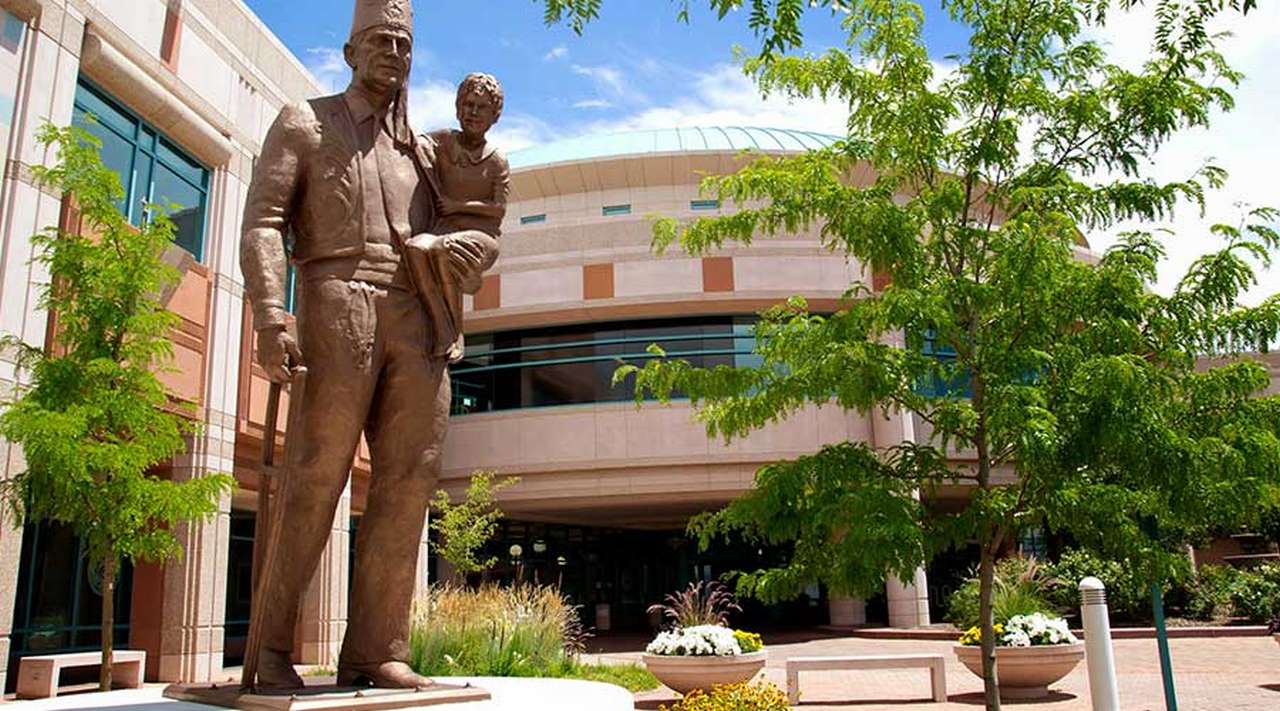
No family navigating a CdLS diagnosis should have to navigate it alone — or travel great distances to reach care from someone who truly understands the syndrome. This newly designated center brings specialized, multidisciplinary CdLS care to families across the Mountain West, extending the reach of the Foundation's network to meet more families where they are.
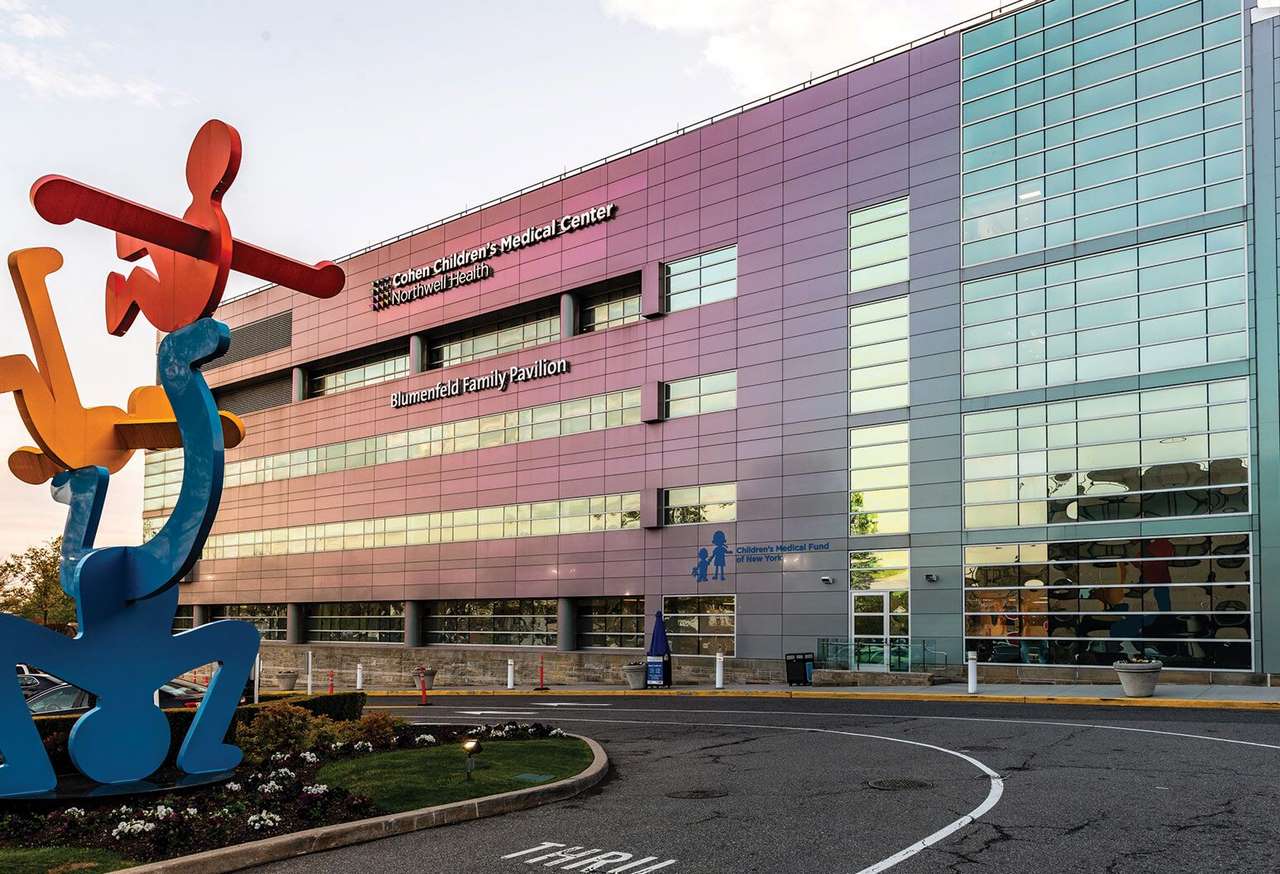
The CdLS Foundation is pleased to announce Cohen Children's Medical Center at Northwell Health as our newest designated Center of Excellence — expanding the Foundation's network of specialized clinical and research centers serving families across the Northeast.
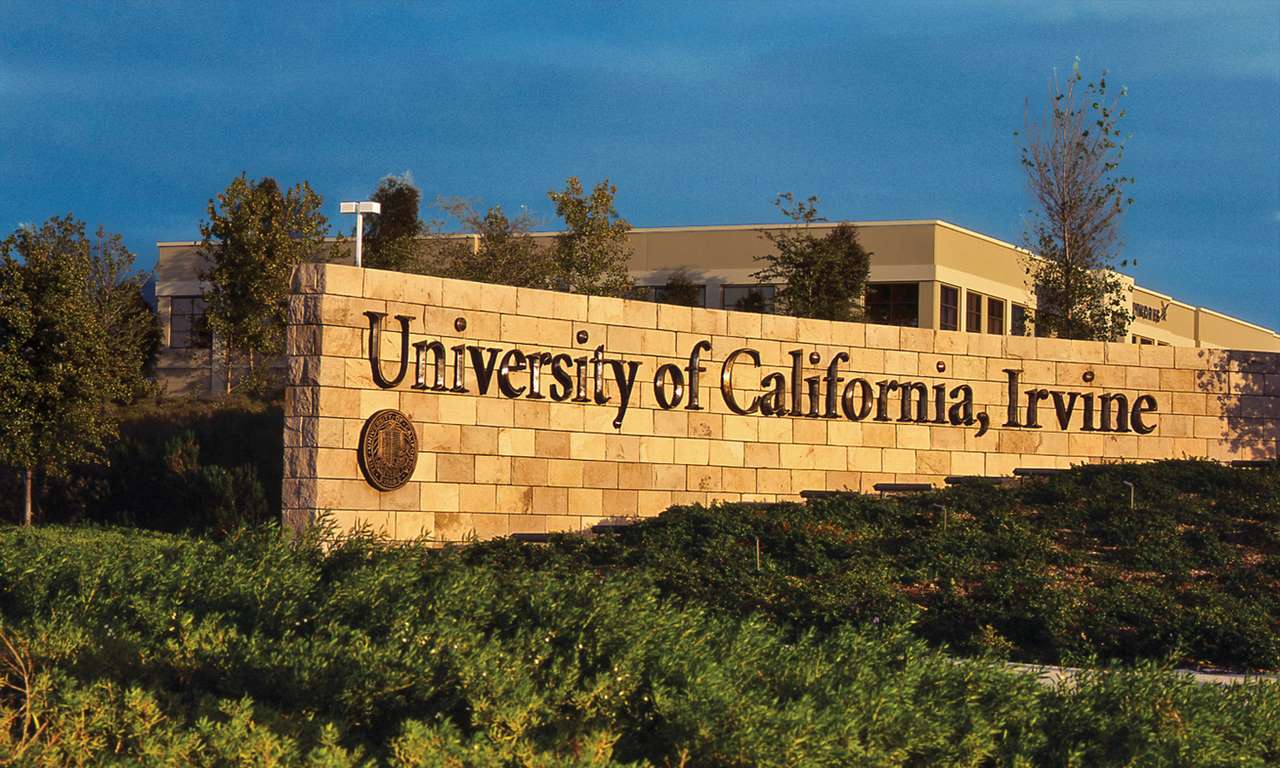
Understanding what causes CdLS at a molecular level is essential to everything that follows — from diagnosis to care to the possibility of treatment. In collaboration with researchers at CHOP, the UC Irvine team helped identify NIPBL, enabling molecular diagnosis and setting in motion a body of work that continues to shape how CdLS is understood worldwide.
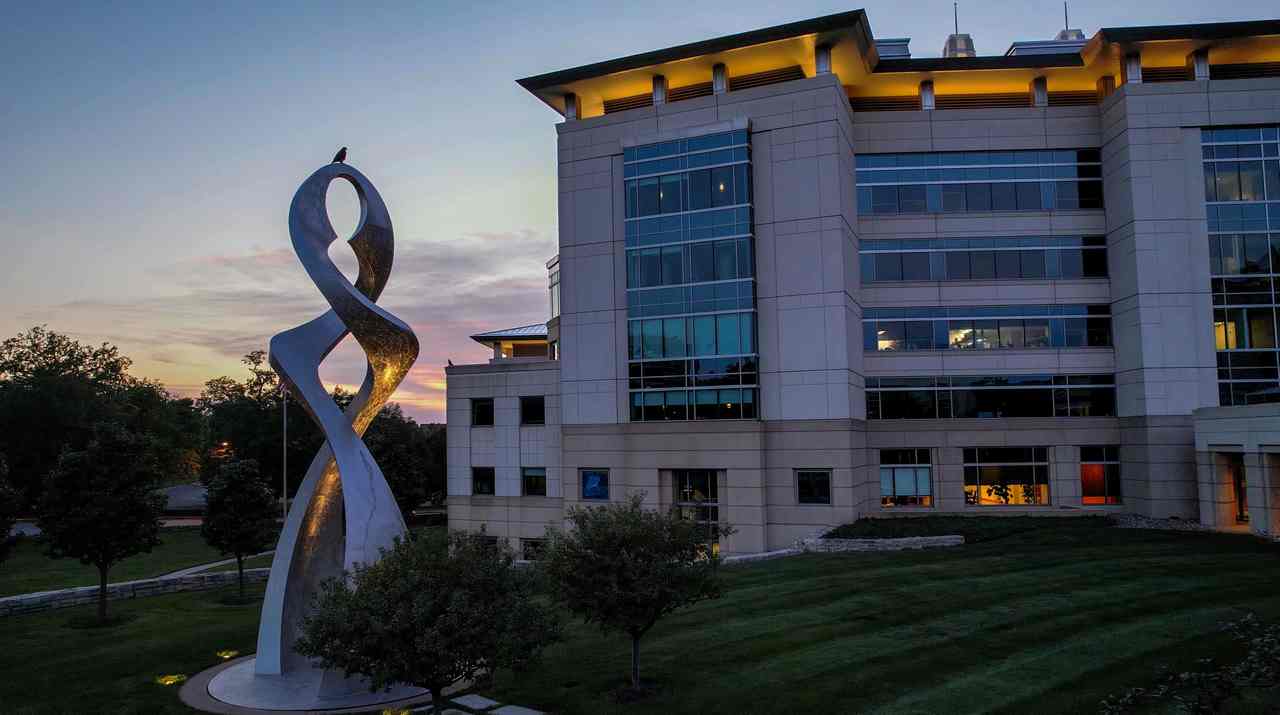
Hope in the context of CdLS is not passive — it is the result of researchers, families, and clinicians actively working to understand what is happening at a biological level. Dr. Jennifer Gerton is pursuing research into the biological functions of the genes that cause CdLS, contributing directly to a better understanding of the molecular basis of the syndrome and identifying pathways that could lead to meaningful therapeutic approaches.
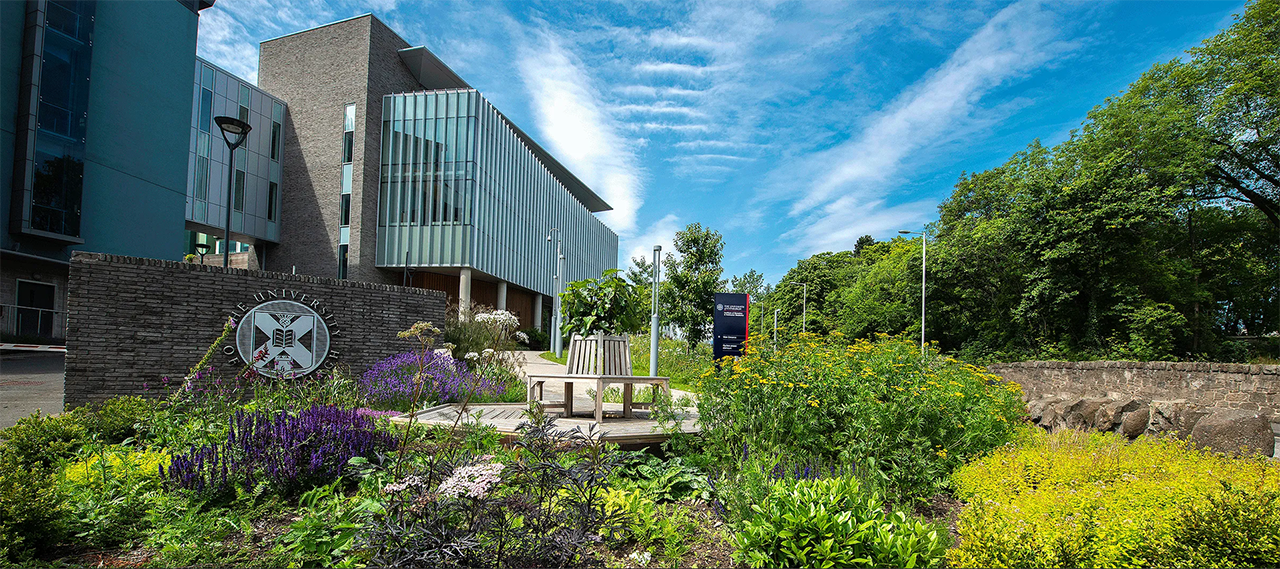
The University of Edinburgh is one of the world’s leading centers for human genetics research — and for families and scientists working to understand Cornelia de Lange Syndrome, it is home to some of the most important work being done anywhere.
These centers are not separate from the families the CdLS Foundation serves — they are part of the same system. Every clinic visit, every research finding, every family who participates moves understanding forward. That is how the mission becomes possible.
- Established CdLS clinic at a recognized medical institution
- Multidisciplinary team with demonstrated CdLS expertise
- Commitment to long-term, lifespan-oriented care
- Active collaboration with the Foundation's network of centers
- Contribution to clinical knowledge through publications or national presentations
- Participation in patient registries or data-sharing initiatives
- Receipt of private or public funding related to CdLS care or research
- Active research program focused on CdLS or closely related cohesinopathies
- Demonstrated molecular, genetic, or clinical knowledge base of CdLS
- Peer-reviewed publications or major scientific presentations on CdLS
- Collaboration with other CdLS researchers, clinicians, or institutions
- Contribution to infrastructure that supports long-term discovery
- Engagement with or support of CdLS families and patient community
- Receipt of private or public research funding